


"Dressed in a linen ephod, David began to dance with all his energy before the Lord."
"David and the Israelite people, full of joy, shouted and blew the trumpet as they brought the ark of the LORD into the city.” 2 Samuel 6, 12-23

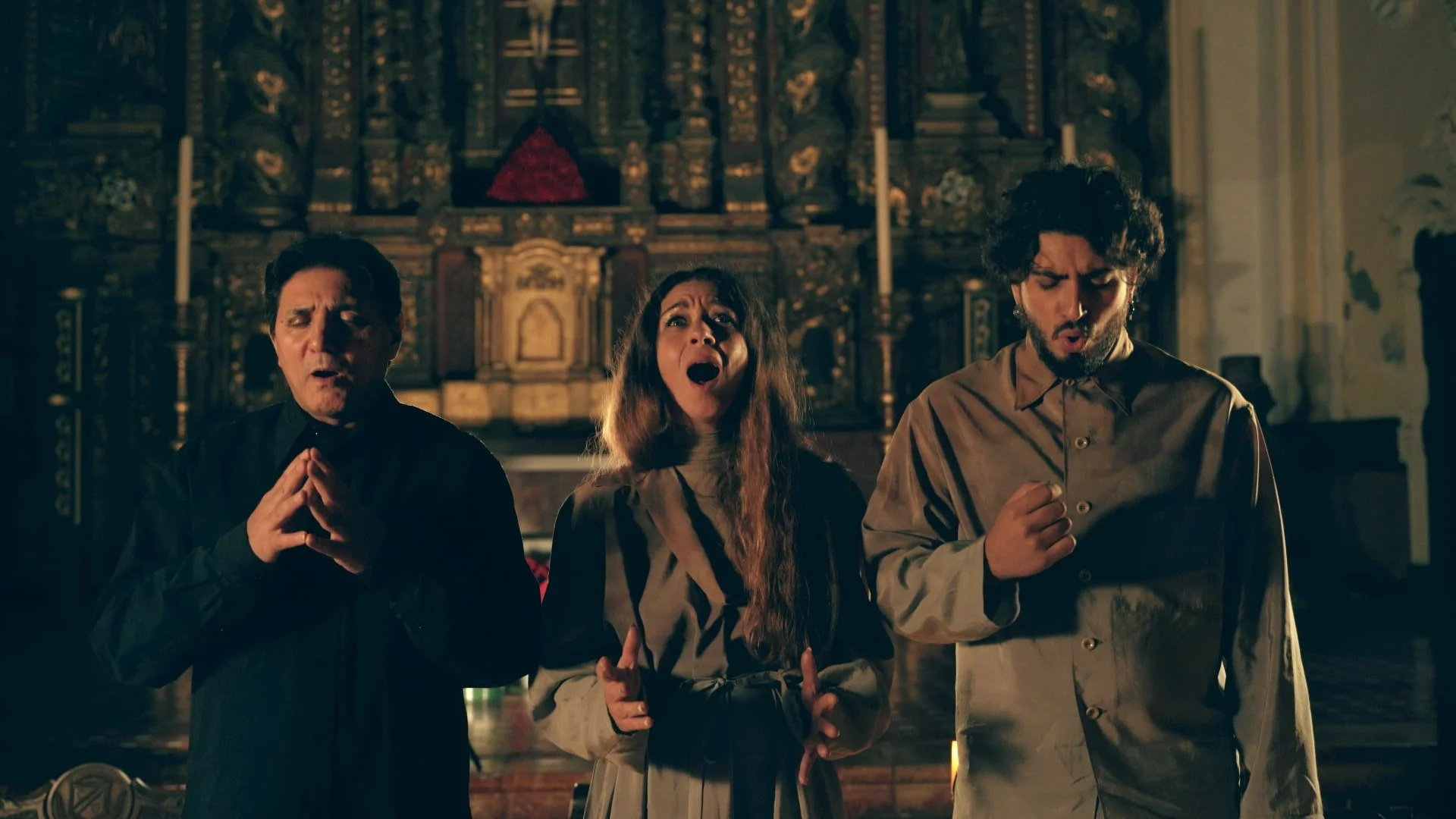
Liturgy is an immersive experience through how God has been sung to in Andalusia throughout the centuries, and its influence on flamenco.


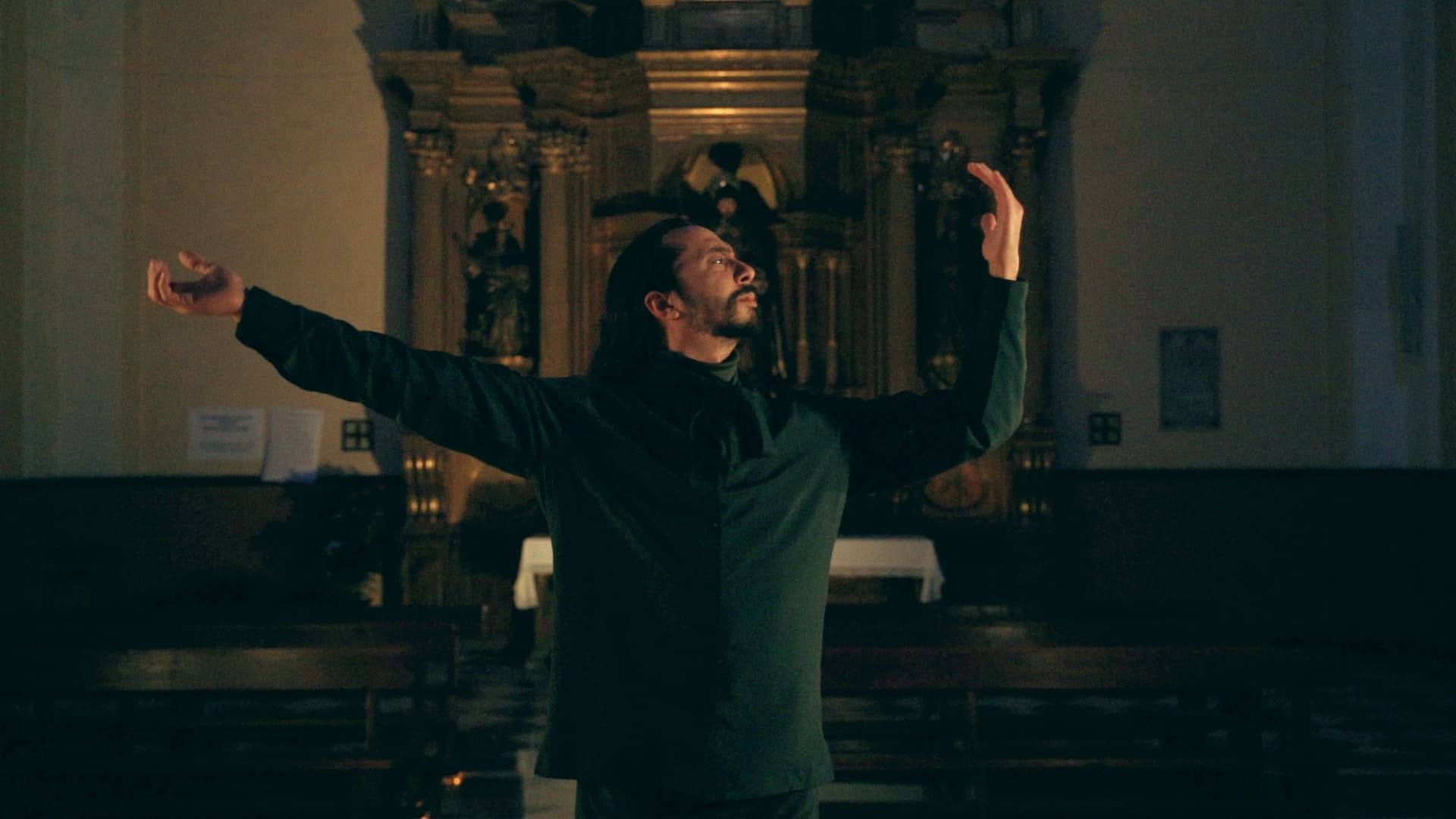


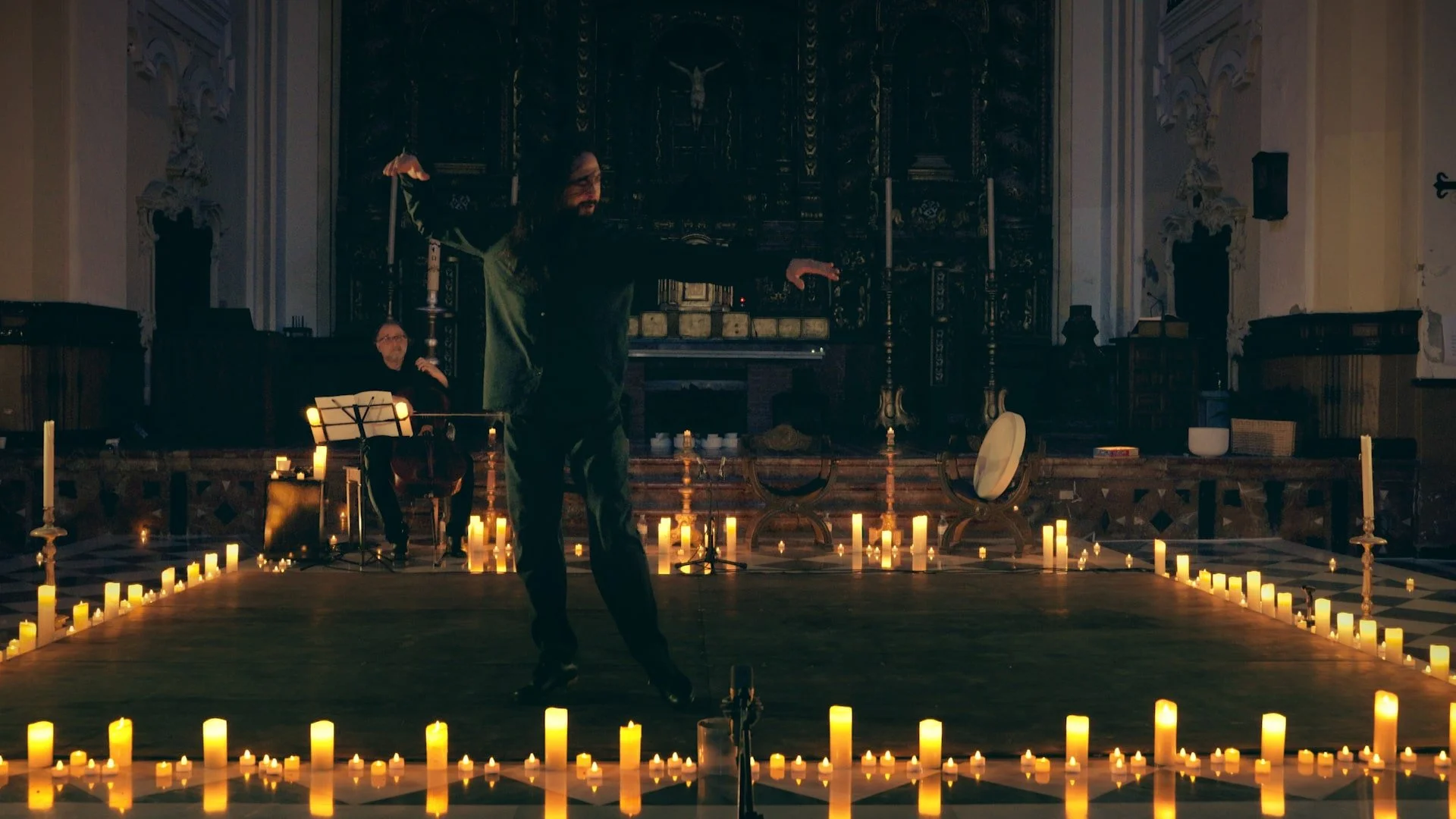


Meet the team
José Maya

Sandra Carrasco
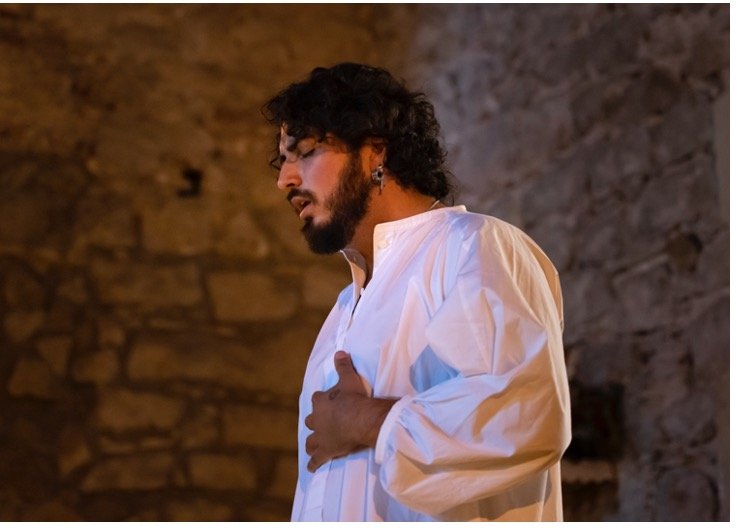
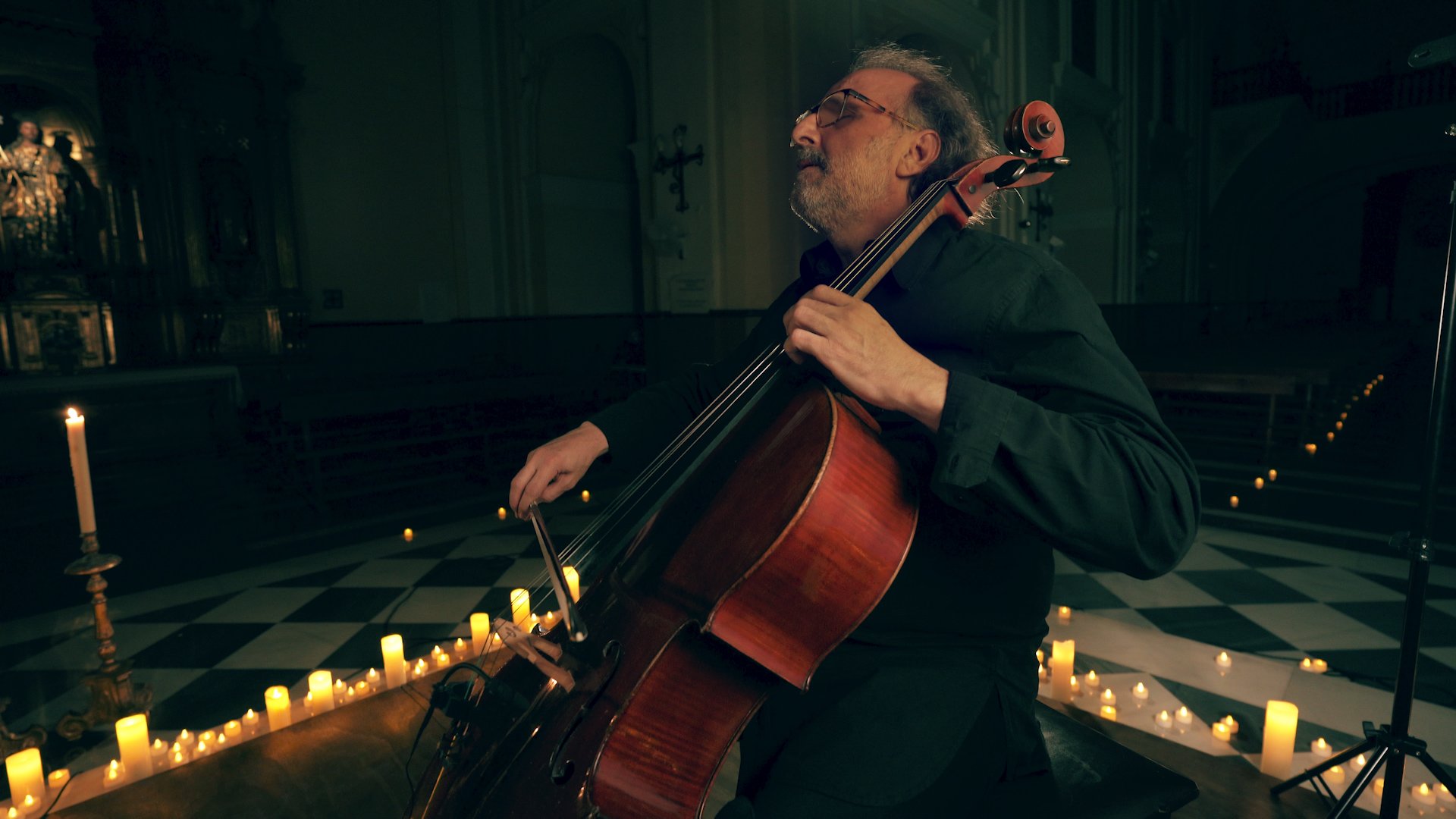
José Luis López
Diego Amador Jr
Rafael Jiménez “Falo”
The experience
Proponemos al espectador participar en una experiencia única y singular. Con sus cinco sentidos y en lugares de culto para una inmersión más completa.
Buscamos influencias en cómo le cantaban a Dios las culturas que han existido en Andalucía (y España) a través de los siglos hasta llegar al Flamenco: tartessos, fenicios, romanos, hebreos, bizantinos, Al-Ándalus, mozárabes, castellanos y, por supuesto, los gitanos.
Sin artificios. 100% acústico. Solo cante, baile y palmas, los instrumentos ancestrales de la humanidad.
Cada experiencia de Liturgia es única e irrepetible gracias al marco donde tiene lugar.
— Inmersión en una liturgia flamenca
Gerhard Steingress: “con la popularización de la música litúrgica cristiana, sus modalidades melismáticas y cromáticas procedentes del canto mozárabe y luego gregoriano quedarían asimiladas a las nuevas tendencias musicales de los siglos XVIII y XIX”.
El « orientalismo musical » del cante jondo no surgió por generación espontánea en el siglo XIX, sino que estuvo presente en el escenario de los cantos litúrgicos (entre otros) que serían utilizados por el pueblo andaluz y usados como « modelo » para la asimilación y reelaboración de los cantos populares, tanto religiosos (saeta) como profanos (« tonadas »).
Turina: “lo jondo” no es una característica gitana sino que “lo gitano” es una característica de “lo jondo” procedente del canto litúrgico medieval tanto mozárabe como almuédano, heredado de la liturgia bizantina y la música andalusí a través de la saeta primitiva evolucionando hasta la toná (eslabón de inserción de las antiguas tradiciones musicales en el flamenco) dando lugar, mas tarde, a la “siguiriya gitana”.
— Fundamentos
Proponemos una « liturgia andaluza » como “herencia” del conjunto de las diferentes maneras de celebrar los ritos religiosos en Andalucía a lo largo de su historia. Es el resultado de la asimilación y continuación de cada una de las influencias de los distintos pueblos que fueron poblando esta tierra.
La Andalucía ya cristiana vive su edad de oro musical a mediados del Siglo XVIII, teniendo en la « liturgia cristiana andaluza » su mayor esplendor. Y los cafés cantantes. Y la situación social y política de la España del XIX. Y tantos íes.
«El flamenco es una liturgia en sí mismo. A compás. En tu sitio. Ahora es mi momento. Y patrás. Silencio. Subida!. Macho. Ahora vamo’ a escuchá la guitarra. Y yo cuando canto?
Queremos proponer una forma distinta de acercarse al flamenco. Deslocalizarlo de los escenarios habituales para relocalizarlo en los lugares de donde ha bebido este arte. Estos lugares -y las gentes que en ellos participan- han ayudado a mantener el hilo conductor de la cultura musical andaluza a través de los siglos», Daniel Torres.
— Performance
Dossier
PRESS
-
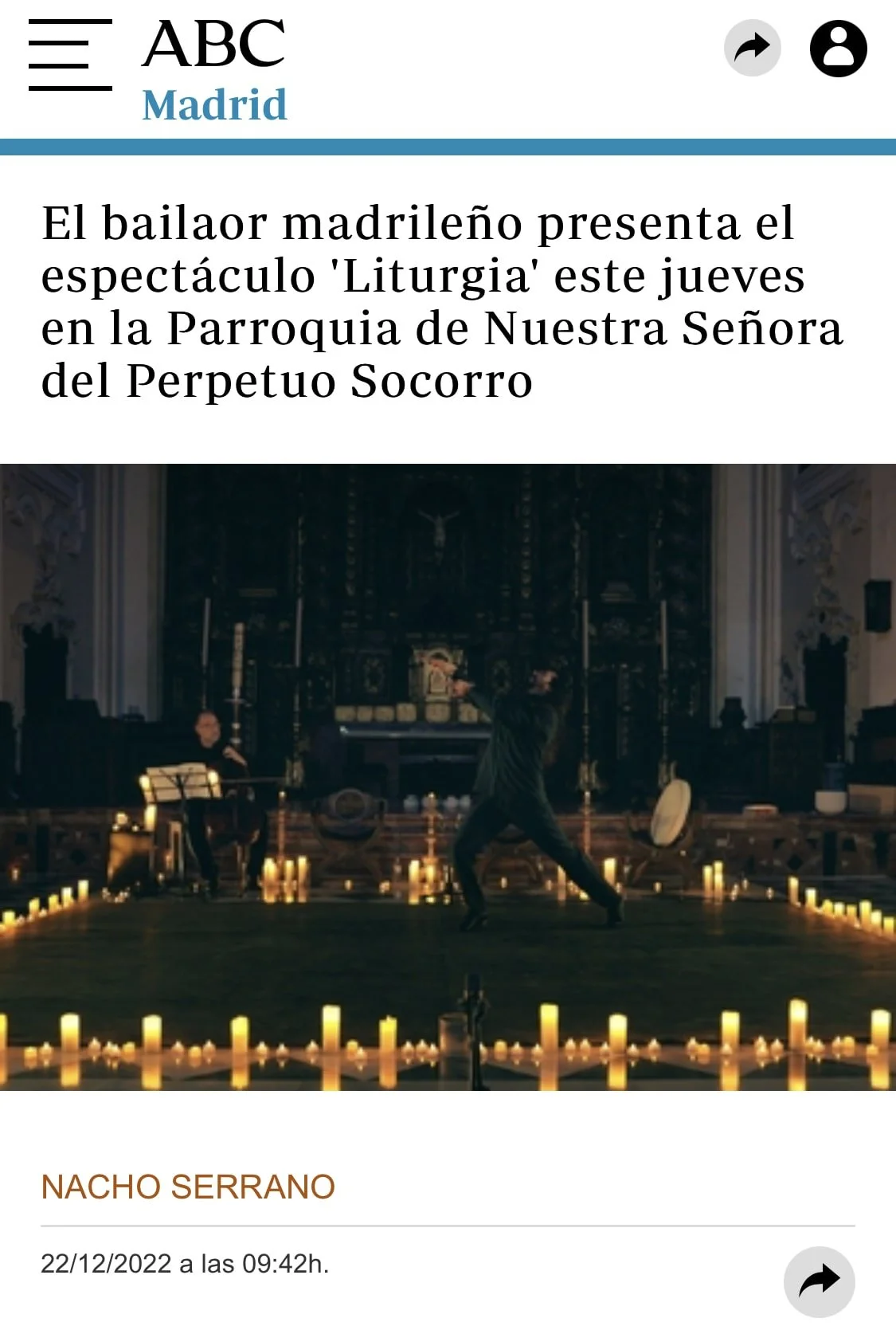
ABC
-

La Croix
À Paris, le flamenco aux racines du sacré
-

RTVE noticias 24
Jose Maya estrena "Liturgia". Un enam´rada de la pintura y la escultura.
-

Canal Sur
Noticias Mediodía
-

France TV
CultureBox
-

Cadena Ser · Hoy por Hoy
"Liturgia" inaugura el Festival flamenco de Jerez
-

RFI
Radio France Internationale · Jordi Bataille
-

Telemadrid · Noticias
Navidad flamenca a cargo de Jose Maya
-

RTVE "Tempo Flamenco"
Manuel Moraga
-

La Razón
-

Canal Sur
Las Mañanas de Andalucia · Jesus Vigorra
-

RTVE "Nuestro Flamenco"
José María Velázquez-Gaztelu